Passiontide - March 17th, 2024

  1. Share
8 10


We've been walking the desert sands with Jesus the past few weeks, reflecting upon our own sinfulness and doing what we can to make reparation for our sins and the sins of others. 

This Sunday, however, the Church shifts our focus from ourselves and our sinfulness to Jesus and His Passion.

Today, we celebrate Passion Sunday, the beginning of Passiontide.

Dom Prosper Gueranger says in The Liturgical Year, "the holy Church gives the two weeks which still remain before Easter to the commemoration of the Passion. She would not have her children come to that great day of the immolation of the Lamb, without having prepared for it by compassionating with Him in the sufferings He endured in their stead."

From this day until the fires of Easter Vigil are lit, every prayer, every lesson, every aspect of the liturgy draws our attention to the Passion of Our Lord, the one, sole thought of the entire Christian world.

As Dom Gueranger puts it,

During the four weeks that have preceded, the Church has been leading the sinner to his conversion; so far, however, this conversion has been but begun: now she would perfect it. It is no longer our Jesus fasting and praying in the desert, that she offers to our consideration; it is this same Jesus, as the great Victim immolated for the world’s salvation. The fatal hour is at hand; the power of darkness is preparing to make use of the time that is still left; the greatest of crimes is about to be perpetrated. A few days hence the Son of God is to be in the hands of sinners, and they will put Him to death. The Church no longer needs to urge her children to repentance; they know too well, now, what sin must be, when it could require such expiation as this. She is all absorbed in the thought of the terrible event, which is to close the life of the God-Man on earth; and by expressing her thoughts through the holy liturgy, she teaches us what our own sentiments should be.
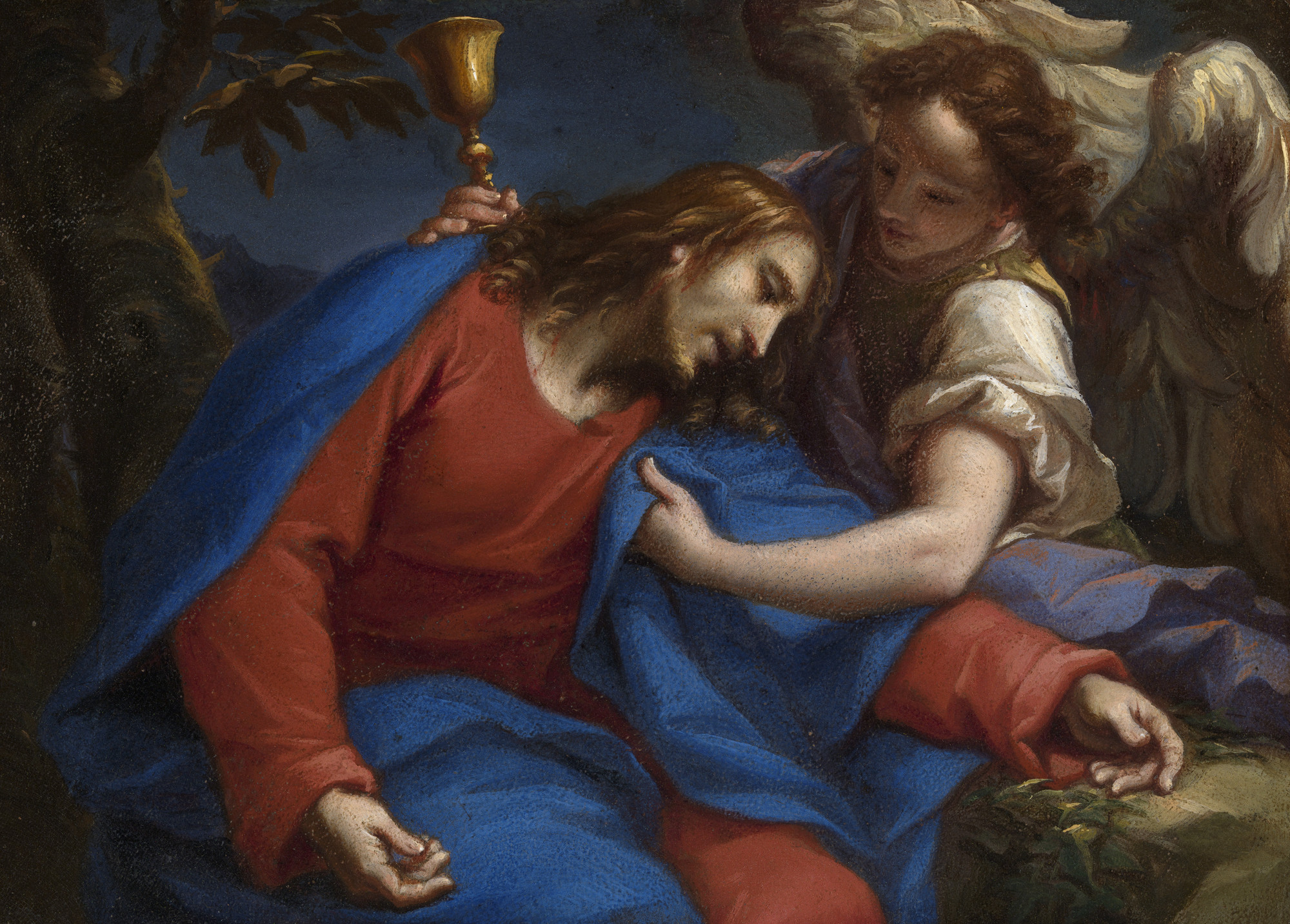


In her wisdom, the Church—and our God—wants more from us than just tears and sorrow.

She wants us to learn from the lessons Jesus teaches us in His Passion and Death. As Dom Prosper explains, Christ Himself wanted more than tears from the women of Jerusalem, who represent us all:

‘Weep not over Me; but weep for yourselves and for your children’ [St. Luke xxiii. 28]. It was not that He refused the tribute of their tears, for He was pleased with this proof of their affection; but it was His love for them that made him speak thus. He desired, above all, to see them appreciate the importance of what they were witnessing, and learn from it how inexorable is God’s justice against sin.
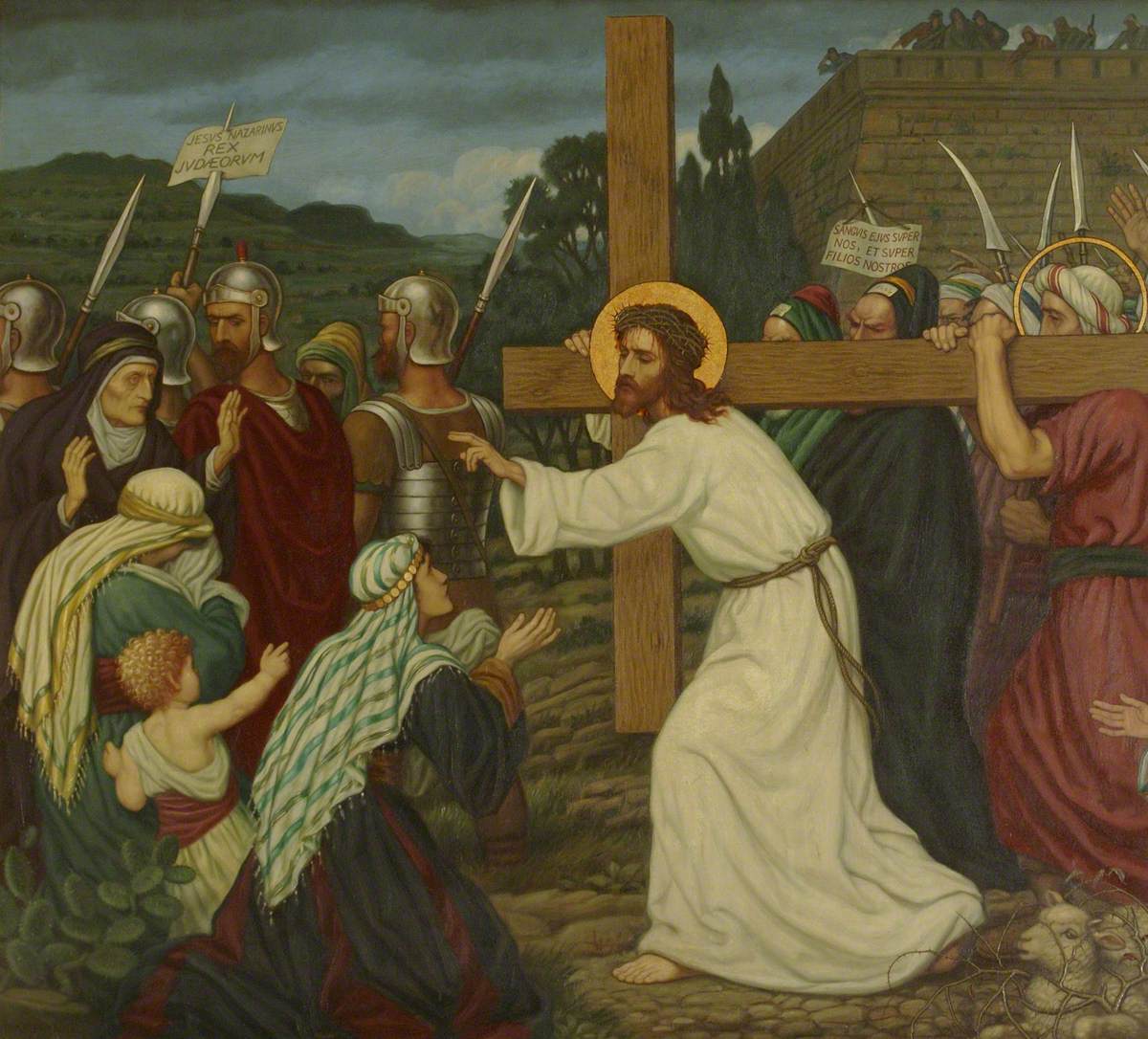


One of the most important lessons we can learn during this holy time is that sin separates us from God.

What better way to drive this point home than to remove the image of Christ and all that is holy from our sight?

The Church does this by veiling all the images she can from today until the Easter Vigil.
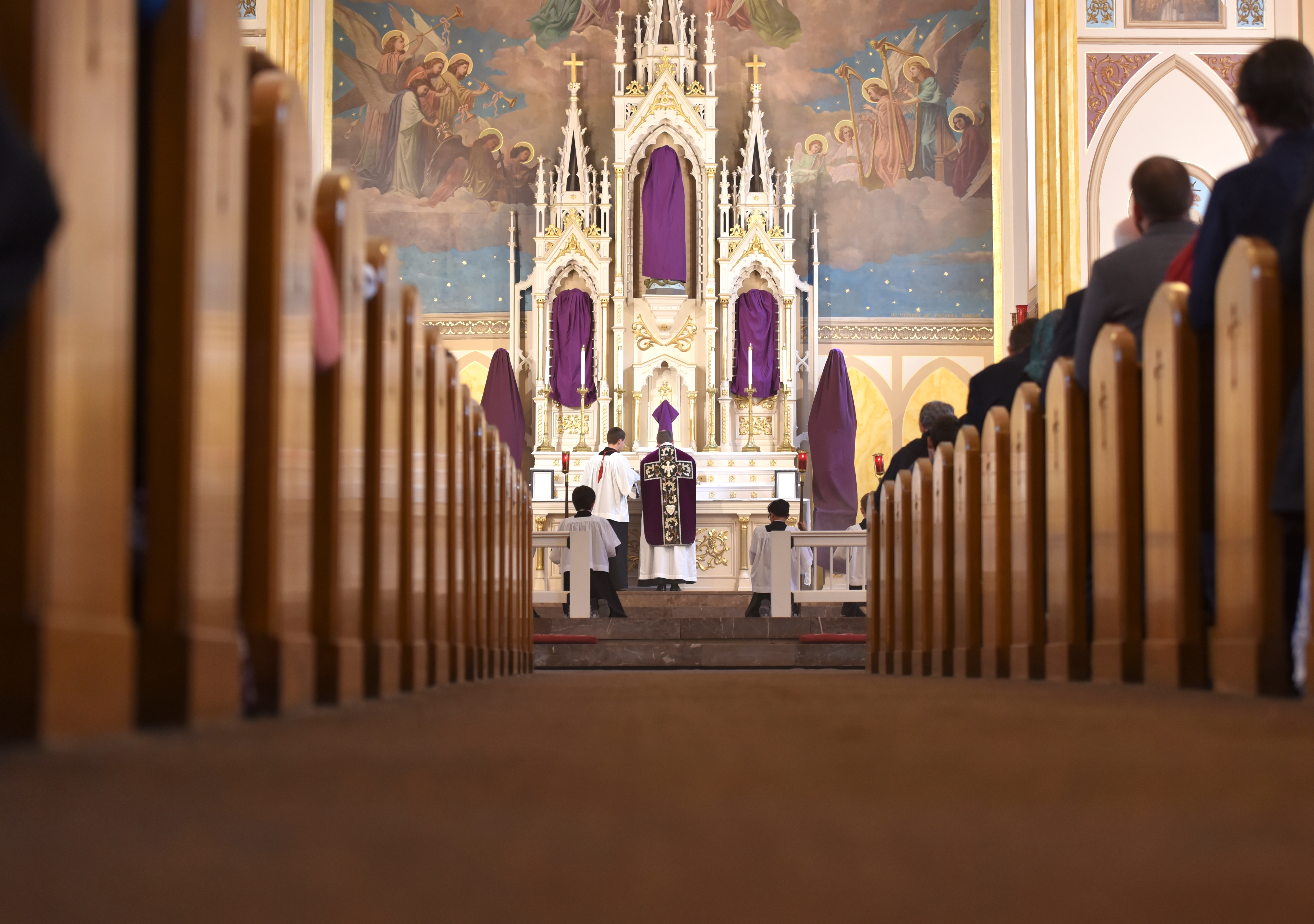


[T]he cross is hidden from the eyes of the faithful. The statues of the saints, too, are covered; for it is but just that, if the glory of the Master be eclipsed, the servant should not appear.  

This can be confusing. The Church is pulling our focus to Christ, but then hiding Christ from us. 

Why?

One reason is to remind us that the consequence of sin is the separation of the soul from God. The more we sin, the farther we move away from God. Without repentance, we eventually move so far away that we cannot even feel the warmth from the rays of His love.

What a painful thought.

This is the pain of Hell.

Knowing, for eternity, that you are forever separated from the God Who created you, Who gave you so many graces, and Who loved you so much, He sent His only Son to die for you on the Cross.
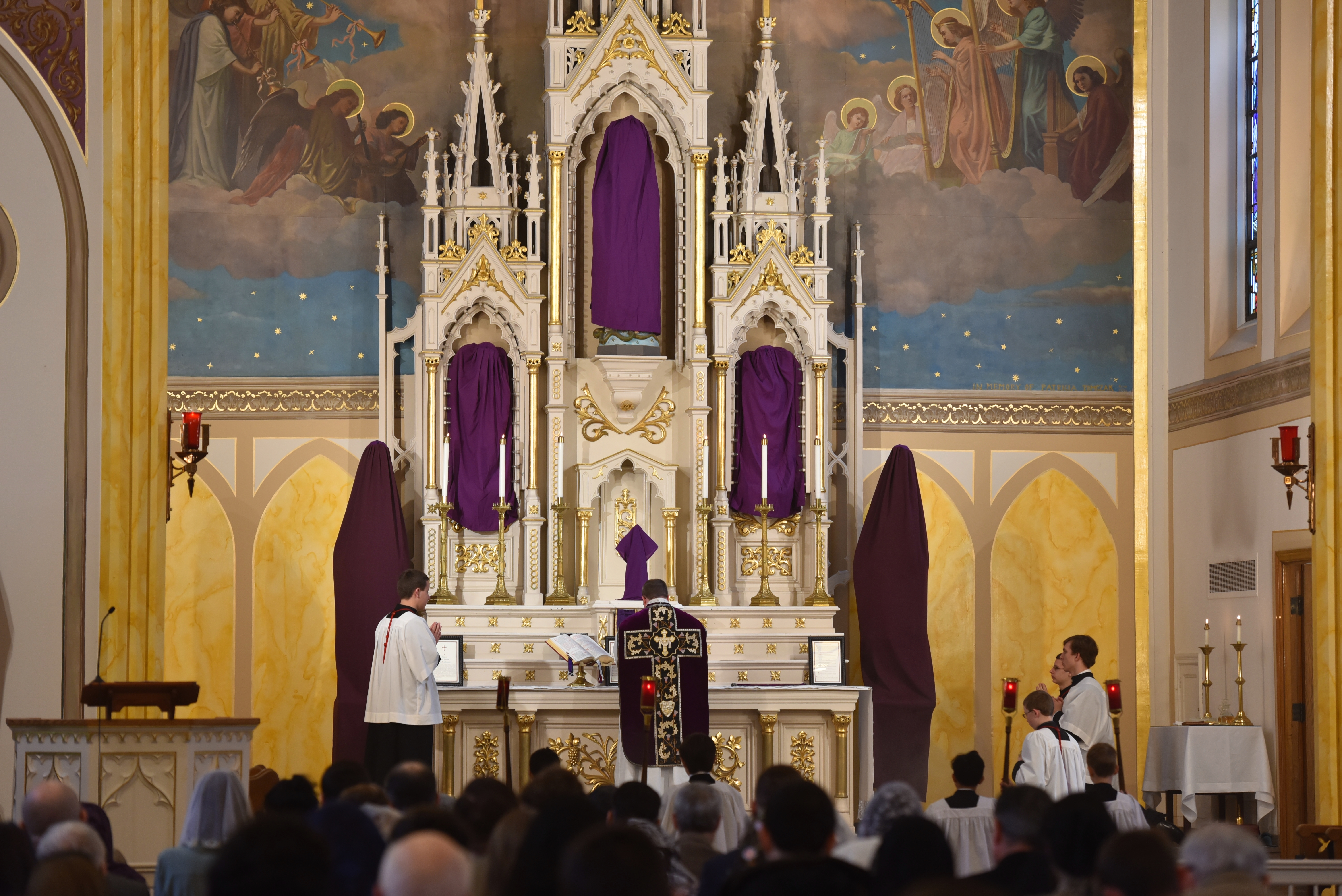


Everything around us urges us to mourn. The images of the saints, the very crucifix on our altar, are veiled from our sight. The Church is oppressed with grief. During the first four weeks of Lent, she compassionated her Jesus fasting in the desert; His coming sufferings and crucifixion and death are what now fill her with anguish. We read in to-day’s Gospel, that the Jews threaten to stone the Son of God as a blasphemer: but His hour is not yet come. He is obliged to flee and hide Himself. It is to express this deep humiliation, that the Church veils the cross. A God hiding Himself, that He may evade the anger of men - what a mystery! Is it weakness? Is it, that He fears death? No; we shall soon see Him going out to meet His enemies: but at present He hides Himself from them, because all that had been prophesied regarding Him has not been fulfilled. Besides, His death is not to be by stoning: He is to die upon a cross, the tree of malediction, which, from that time forward, is to be the tree of life.
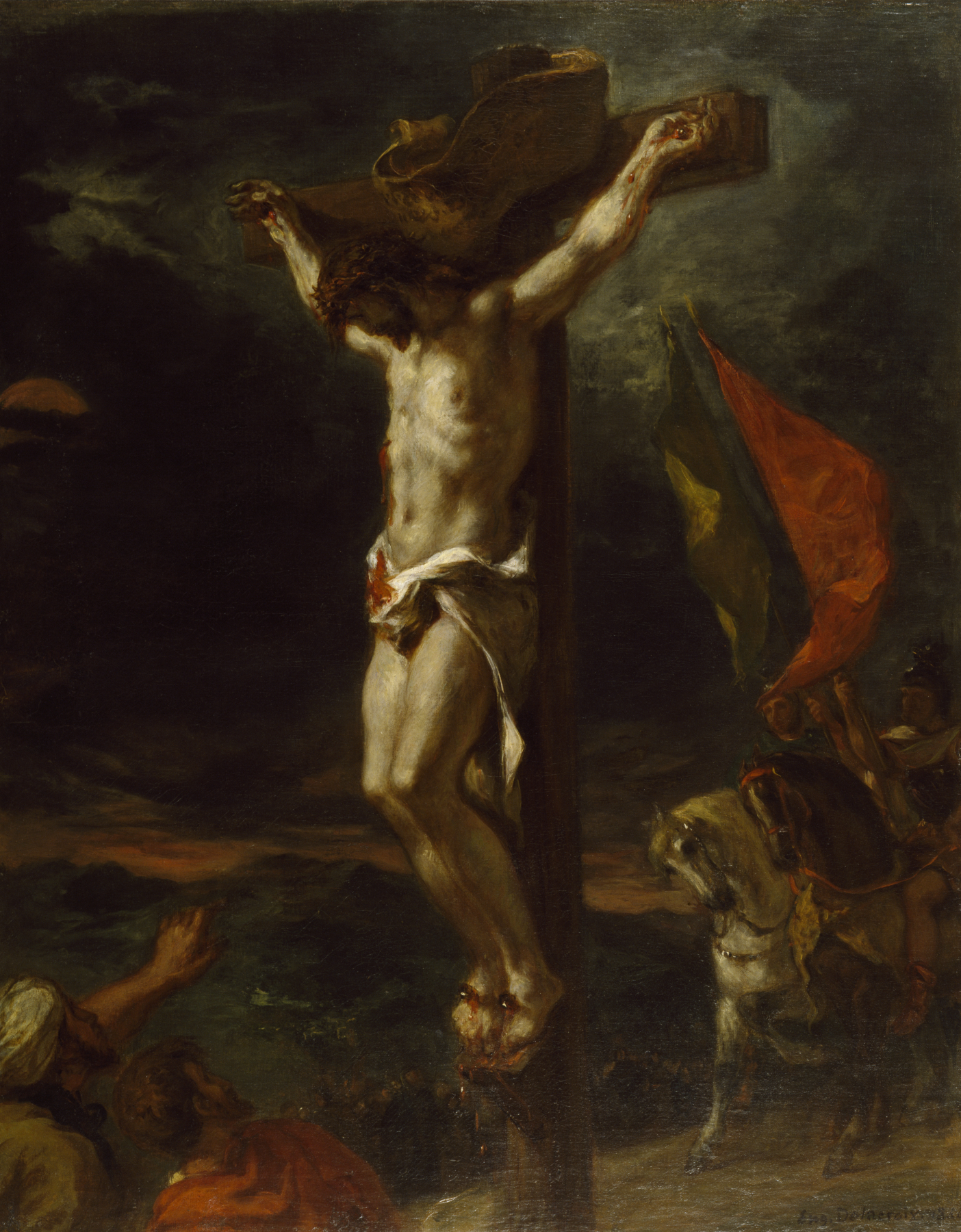


Let us humble ourselves, as we see the Creator of heaven and earth thus obliged to hide Himself from men, who are bent on His destruction! Let us go back, in thought, to the sad day of the first sin, when Adam and Eve hid themselves because a guilty conscience told them they were naked. Jesus has come to assure us of our being pardoned, and lo! He hides Himself, not because He is naked - He that is to the saints the garb of holiness and immortality - but because He made Himself weak, that He might make us strong. Our first parents sought to hide themselves from the sight of God; Jesus hides Himself from the eye of men. But it will not be thus for ever. The day will come when sinners, from whose anger He now flees, will pray to the mountains to fall on them and shield them from His gaze; but their prayer will not be granted, and they shall see the Son of Man coming in the clouds of heaven, with much power and majesty [St. Matt. xxiv. 30].
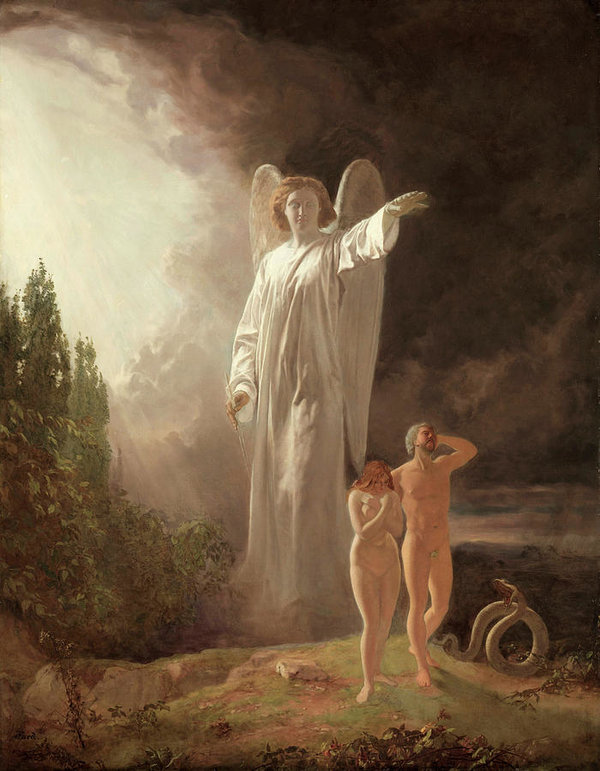


Yesterday, we celebrated Mary's "yes", which undid the "yes" of Eve. 

Today, we shudder at the memory of the expulsion of Adam and Even from Eden, and try to learn the lesson that Christ wants to teach us from His Passion.

Dom Gueranger recommends we remember this during the celebration of the Mass:

In approaching, therefore, the holy Table, during this season of the Passion, the faithful must be absorbed in the remembrance of the Lamb that was sacrificed for us; they must keep this great truth uppermost in their hearts: that the divine Food which nourishes their souls was prepared on Calvary; and that, although this Lamb is now living and impassible, yet it was by His death on the cross that He became our Food. The sinner, reconciled to his offended God, must receive the Body of Jesus with sentiments of hearty contrition, and reproach himself, in all the bitterness of his soul, for having shed that precious Blood by his multiplied sins. The just man must make his Communion, and humble himself with the thought that he, too, has had too great a share in causing suffering to the innocent Lamb; and that if he now have reason to believe himself to be in the state of grace, he owes it to the Blood of the Victim who is about to be given to him for the increase of his spiritual life.

But this isn't the only lesson that Jesus wants us to learn from His Passion. Another essential lesson is how the just man dies.
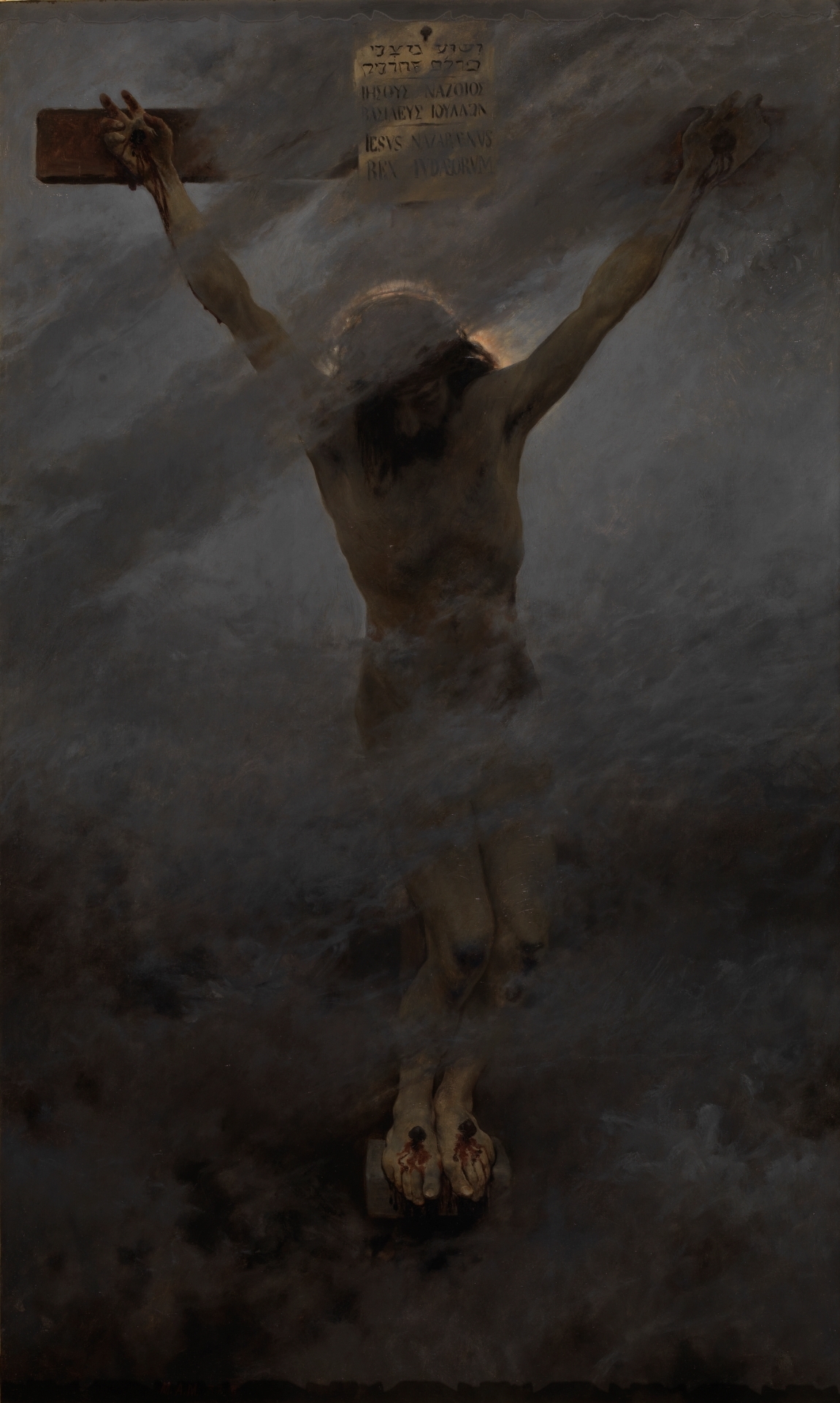


We spend much of our lives defending ourselves. Coming up with excuses. Trying to avoid suffering and taking the easy way out. But that isn't what Jesus did, and it certainly isn't what He calls His followers to do.

Christ's Passion is the Masterclass in Suffering and doing the will of God in all things. God calls us to not just watch and cry, but to internalize and, eventually, inevitably, replicate this lesson in our own lives. 

Ecce Quomodo Moritur is the fifteenth responsorio for Holy Week in the Traditional Latin Mass. In this sublime motet, we meditate on the death of the just man, par excellence, dying at the hands of the evil in front of the indifferent.

Christ's Passion reminds us that it is not in this life that we will receive the rewards or justice our lives have merited. 

In this world, we are called to pick up our crosses, handmade for each one of us. We are called to humbly and lovingly surrender and submit to the will of our God, Who suffered and died in the most horrendous way imaginable, on a cross, surrounded by thieves, betrayed by His followers and by those He came to save.

Let us remember, as this beautiful hymn by Jacob Handl says, how the just die.

Lord Jesus, give us the grace to learn from You, and to imitate You in all things, but most importantly, in your Passion.


ECCE QUOMODO MORITUR JUSTUS

Text, Isaiah 57:1-2

Ecce quomodo moritur justus,
Et nemo percipit corde.
Viri justi tolluntur
Et nemo considerat.
A facie iniquitatis sublatus est justus 

Et erit in pace memoria eius. 

In pace factus est locus ejus et in Sion habitatio ejus.

Et erit in pace memoria eius. 

Behold how the Just One dies,
And there is no one who has pity of Him.
The just men are taken away,
And no one cares about them.
From the face of iniquity the Just One is taken away. 

And his memory shall remain in peace. 

In peace is his place and in Sion is his homestead.

And his memory shall remain in peace. 

ACT OF OBLATION

I know, dear Jesus, that what thou askest of me is not the passing sentiment of a heart excited by the thought of thy goodness towards it. Thou hast loved me from eternity; thou lovedst me, even when I was doing nothing for thee; thou hast given me light to know my miseries; thou hast shielded me against thine own angry justice; thou hast mercifully pardoned me a countless number of times; thou art even now embracing me with tenderest love: and all these works of thy almighty hand have been but for one end—to make me give myself to thee, and live, at last, for thee. It is this thou wouldst obtain of me, by granting me this precious earnest of thy love, which I have just received. Thou hast said, speaking of this ineffable gift: ‘As I live by the Father, so he that eateth me, the same also shall live by me.’ [St. John vi. 58]. Henceforth, O Bread which came down from heaven! [Ibid.51.] thou art the source of my life. Now, more than ever, my life belongs to thee. I give it unto thee. I dedicate unto thee my soul, my body, my faculties, my whole being. Do thou direct and govern me. I resign myself entirely into thy hands. I am blind, but thy light will guide me; I am weak, but thy power will uphold me; I am inconstant. but thy unchangeableness will give me stability. I trust unreservedly in thy mercy, which never abandons them that hope in thee.

O Mary! pray for me, that I lose not the fruit of this visit. Holy angels! watch over this dwelling-place of your Lord, which he has so mercifully chosen: let nothing defile it. O all ye saints of God! pray for the sinner, unto whom he has given this pledge of his divine pardon.


Every year, New Liturgical Movement posts series of Passiontide images from around the world. It's a fun way to see how this beautiful tradition is kept in our Church. Click here to see the series of posts and photos.


Images: Pixabay; Agony in the Garden, Francesco Trevisani (public domain); Jesus Speaks to the Women of Jerusalem, Edward Arthur Fellowes Prynne (public domain); Passiontide photos by Jan Jelski, parishioner of St Mary's Catholic Church in Conshohocken, PA, used with permission; Christ on the Cross, Eugène Delacroix (public domain); Consumatum est, Jose Jimenez Aranda (public domain).

Quotes and Acto of Oblation from Dom Prosper Gueranger's The Liturgical Year in the public domain.

Community tags

This content has 0 tags that match your profile.

Spiritual Life

Sin

The Church

Virtues and Ethics

Trinity

Comments

To view comments or leave a comment, login or sign up.

Related Content

11
Tenebrae: Descending into Darkness
Tenebrae factae sunt—and it was dark (Mt. 27:45).  Before the revision of the celebration of Holy Week in 1955, the Church traditionally chanted Tenebrae during the three days leading up to Easter, known as the Sacred Triduum. This dramatic ceremony was sung during the hours in darkness—hence its name, as Tenebrae is translated from the Latin for “darkness” or “shadows”. Tenebrae consists of Matins and Lauds sung on Maundy Thursday, Good Friday, and Holy Saturday. While the old rubrics do not specify when Tenebrae should be sung, traditionally, it was sung so that it would end around Midnight, leaving the church and participants in total darkness. However, with the 1955 revision of holy week, Tenebrae disappeared, and later, after Vatican II, Matins became the Office of the Readings. Recently, however, many churches are bringing back the tradition in a variety of forms. Some sing the hours the evening before—so Wednesday night, they’ll sing the hours for Thursday morning. Other churches celebrate Tenebrae early in the morning, and some sing it in English, as opposed to the original Latin. While the liturgical rules for celebrating Tenebrae are complicated, and many of us are unable to witness Tenebrae being sung, we can still take the ideas behind it and use it to prepare ourselves for the holiest days of the Christian year. Some have described Tenebrae as a sad and mournful funeral service for Jesus. Those who have attended a funeral service of late will note that there are many consolations peppered throughout the service. The hope of Heaven. The hope of seeing our loved ones there some day. The hope of the Resurrection. This hope is absent from Tenebrae. The psalms, lessons, and chants (or polyphony) sung during the Tenebrae services are filled with grief and sadness. There is no joy or hope here; no blessings, Gloria Patris or Te Deums. Tenebrae is sorrowful, from beginning to end. The Lamentations of Jeremiah are sung—songs of lament composed after the destruction of Jerusalem and the beginning of the Babylonian captivity.  “The Lamentations have received a peculiar distinction in the Liturgy of the Church in the Office of Passion Week. If Christ Himself designated His death as the destruction of a temple, “he spoke of the temple of his body” (John 2:19-21), then the Church surely has a right to pour out her grief over His death in those Lamentations which were sung over the ruins of the temple destroyed by the sins of the nation.” –catholic encyclopedia The Matins part of Tenebrae is broken up into three nocturns—each with three Psalms, a versicle and response, the Our Father, and readings. During the Lauds section, there are five psalms, a versicle and response, the Benedictus, Our Father, and a reflection on the death of Christ.  Before the congregation, stands a triangular candelabra—called a Tenebrae hearse—with 15 candles, all lit. After the reading of each Psalm, a candle is extinguished, starting from the bottom and moving up, alternating sides. The candles are said to symbolize the Disciples, with the topmost candle representing Christ. As each candle is extinguished, we recall how Christ’s Disciples deserted Him during His Passion, one by one. Some say the remaining three candles represent the three Marys who stood by the Cross. After the final lesson, the final candle is removed and placed on the altar, symbolizing Jesus’ suffering and death on calvary. It is then hidden, representing His burial. At this point, the celebrants make loud noises—called the strepitus—by banging books on pews or stomping their feet. This noise signifies the earthquake, confusion, and terror that accompanied Christ’s Crucifixion. The noise stops and the candle reemerges, its light as fair as ever.  The office then comes to an abrupt end, and the participants leave the Church in silence. Dom Prosper Gueranger says,  “Let us now learn the meaning of these ceremonies. The glory of the Son of God was obscured and, so to say, eclipsed, by the ignominies He endured during His Passion. He, the Light of the world, powerful in word and work, Who but a few days ago was proclaimed King by the citizens of Jerusalem, is now robbed of all his honors. He is, says Isaias, the Man of sorrows, a leper (Isaias 53:3,4). He is, says the royal prophet, a worm of the earth, and no man (Psalm 21:7). He is, as He says of himself, an object of shame even to his own disciples, for they are all scandalized in him (Mark 14:27) and abandon Him; yea, even Peter protests that he never knew Him. This desertion on the part of His apostles and disciples is expressed by the candles being extinguished, one after the other, not only on the triangle, but on the altar itself. But Jesus, our Light, though despised and hidden, is not extinguished. This is signified by the candle which is momentarily placed on the altar; it symbolizes our Redeemer suffering and dying on Calvary. In order to express His burial, the candle is hidden behind the altar; its light disappears. A confused noise is heard in the house of God, where all is now darkness. This noise and gloom express the convulsions of nature when Jesus expired on the cross: the earth shook, the rocks were split, the dead came forth from their tombs. But the candle suddenly reappears; its light is as fair as ever. The noise is hushed, and homage is paid to the Conqueror of death.” Below are links to Tenebrae packets you can use to celebrate Tenebrae at home, as well as links to Tenebrae services that you can livestream, followed by psalms and music that will help you enter into this holiest of seasons. Have a blessed Triduum. Links to Watch Tenebrae this Sacred Triduum: St John Cantius Tenebrae 2022 Schedule Spy Wednesday, April 13th - 7:30 pm CDT - Sung Tenebrae - Link to live stream. Holy Thursday, April 14th - 8:30 am CDT - Simplified Tenebrae - Link to live stream. Good Friday, April 15th - 8:30 am CDT - Simplified Tenebrae - Link to live stream. Holy Saturday, April 16th - 8:30am CDT - Simplified Tenebrae - Link to live stream.   St Mary’s on Broadway, Rhode Island Tenebrae 2022 Schedule  Holy Thursday, April 14th - 7:30 am ET - Link to live stream Good Friday, April 15th - 7:30 am ET - Link to live stream Holy Saturday, April 16th - 7:30am ET - Link to live stream   Tenebrae Booklets Pre-1955 Resources (in Latin) A recommendation from Corpus Christi Watershed (in Latin) English Triduum at Home (in English) Tenebrae booklet from St. Patrick’s Cathedral, Parramatta (English) Tenebrae according to the use of the Cathedral Basilica of St Louis (English/Latin) Tenebrae Booklet from St John Cantius (English) English Tenebrae Booklet   A Virtual Tenebrae Using this booklet and the videos below, you can have a virtual Maundy Thursday Tenebrae Service in your home. Let the music transport you to the foot of the Cross:   First Nocturn Psalm 68 Psalm 69 Psalm 70 Lectio 1: Lamentations, Book 3, Lamentation 1: Incipit Lamentatio Jeremiae Prophetae, Palestrina Responsory 1: In Monte oliveti oravit ad patrem Pater si fieri potest, Carlo Gesualdo Lesson II, Vau, Et egressus est, Victoria Responsory 2: Tristis est anima mea, Carlo Gesualdo Responsory 3: Ecce Vidimus Eum Second Nocturn Psalm 71 Psalm 72 Psalm 73   Responsory 4: Amicus Meus Osculi, Victoria Responsory 5: Judas Mercator Pessimus, Victoria Responsory 6: Unus ex Discipulis Meis, Victoria Third Nocturn Psalm 74 Psalm 75 Psalm 76 Responsory 7: Eram quasi Agnus Innocens, Gesualdo Responsory 8: Una Hora non Potuistis Responsory 9: Seniores Populi Consilium, Gesualdo   At Lauds Psalm 50 Psalm 89 Psalm 35   Canticle of Moses, Psalm 39 Psalm 146 Benedictus Christus Factus Est Miserere Mei, Allegri     Image: pixabay
47
What're You Doing for Lent?
There's a holiday song that I love, but which, I think, always gets lost in the holiday shuffle. The song goes like this: Maybe it's much too early in the game Ah, but I thought I'd ask you just the same What are you doing New Year's, New Year's eve? Wonder whose arms will hold you good and tight When it's exactly twelve o'clock that night Welcoming in the New Year, New Year's Eve? This year, as we prepare for the Lenten season, that song is on repeat in my head. Maybe I'm crazy to suppose, as the song goes, but I can hear God asking me: What're you doing for Lent? For Lent this year? You see, the original song is a love song. The singer is asking someone--his beloved--what she's doing on New Year's, and whether he can spend the evening with her, and whether he'll be given the chance to give her a kiss at midnight. He wants to know if she will choose him, and show him how much she loves him. For Lent, God is looking at us--His beloveds--and wondering, what we will do this Lenten season to show Him how very much we love Him? That's what Lent is about, isn't it? Loving God, with all our hearts and minds, and loving our neighbor as ourselves. How will we do that this year? For decades, we've chosen a variety of things to give up. Food always seems to top the list. As we mature spiritually, we start adding devotions--an additional rosary, the Divine Mercy Chaplet, or the Sorrowful Mother Rosary, perhaps. After a while, you start to realize that, maybe, it's best to ask God what he wants you to do for Lent. He knows best, after all. He knows what we need to do to grow closer to Him. The best place to start, when we seek to do His will, is to abandon our own. How does that look? Instead of giving up something tangible, we will strive to accept what God gives us, every minute of every day, and CHOOSE to respond in LOVE. Choose Love. This past Sunday, God gave us a roadmap in the readings from both the Traditional and Novus Ordo Masses. In the Traditional calendar, Quinquagesima Sunday, we are given a roadmap for doing God's will. The Introit begins by reminding us where our strength lies--in God, our rock of refuge. We can't count on our own strength to do this. He, alone, can rescue us. Ps 30:3-4 Be my rock of refuge, O God, a stronghold to give me safety. You are my rock and my fortress; for Your name’s sake You will lead and guide me. Ps 30:2 In You, O Lord, I take refuge; let me never be put to shame. In Your justice rescue me and deliver me. In the Collect and Gradual, we acknowledge that it is only God who can save us from the captivity of sin: O Lord, we beseech You, mercifully hear our prayers; loose us from the chains of our sins and keep us from all adversity. Ps 76:15-16 You are the God Who alone works wonders; among the peoples You have made known Your power. Then, we get to the Epistle, 1 Corinthians 13. Charity is patient, is kind; charity does not envy, is not pretentious, is not puffed up, is not ambitious, is not self-seeking, is not provoked; thinks no evil, does not rejoice over wickedness, but rejoices with the truth; bears with all things, believes all things, hopes all things, endures all things. Charity never fails, whereas prophecies will disappear, and tongues will cease, and knowledge will be destroyed. For those seeking to do God's will, here is the perfect To Do list. Incorporate this into your Plan of Love, and you're well on your way. The Gospel reminds us that none of this will be easy. Even after three years of walking with Him, the Apostles didn't comprehend what he was telling them. (So we must go easy on ourselves when we fail!) Luke 18:31-43 At that time, Jesus taking to Himself the Twelve said to them, Behold, we are going up to Jerusalem, and all things that have been written by the prophets concerning the Son of Man will be accomplished. For He will be delivered to the Gentiles, and will be mocked and scourged and spit upon; and after they have scourged Him, they will put Him to death; and on the third day He will rise again. And they understood none of these things and this saying was hidden from them, neither did they get to know the things that were being said. He tells us to follow Him, and that always leads to the Cross. So does self-denial. Dying to self. Abandonment of one's will. Think of how often you wish life were different. You wish the guy in front of you (or behind you) would drive the speed limit. You wish this line weren't so long. You wish that person wasn't so rude, or that other person so annoying.  When we don't accept the life and circumstances presented to us, every day, we are missing out on the opportunity to do God's will in every little thing. And we have oh, so many opportunities. One person who refused to pass up an opportunity to see the face of Christ was the blind man at the wayside on the road to Jericho, in the Gospel mentioned above. He heard Jesus coming, and He was determined to not let Him pass him by. He shouted, and everyone told him to be quiet.  But he cried out all the louder, Son of David, have mercy on me! Then Jesus stopped and commanded that he should be brought to Him. And when he drew near, He asked him, saying, What would you have Me do for you? And he said, Lord, that I may see. And Jesus said to him, Receive your sight, your faith has saved you. Your FAITH has saved you. Do you believe that God will heal you this Lent? The Novus Ordo readings for the Seventh Sunday in Ordinary Time were just as apropos. In the first reading, the Lord tells Moses: "Speak to the whole Israelite community and tell them: Be holy, for I, the LORD, your God, am holy. "You shall not bear hatred for your brother or sister in your heart. Though you may have to reprove your fellow citizen, do not incur sin because of him. Take no revenge and cherish no grudge against any of your people. You shall love your neighbor as yourself. I am the LORD." The Responsorial Psalm reminds us that the Lord, who tells us to pick up our crosses and follow Him, is kind and merciful. Are we kind and merciful? The second reading gives us a warning: Let no one deceive himself. If any one among you considers himself wise in this age, let him become a fool, so as to become wise. And the Gospel,  "You have heard that it was said, You shall love your neighbor and hate your enemy. But I say to you, love your enemies and pray for those who persecute you, that you may be children of your heavenly Father, for he makes his sun rise on the bad and the good, and causes rain to fall on the just and the unjust. For if you love those who love you, what recompense will you have? Do not the tax collectors do the same? And if you greet your brothers only, what is unusual about that? Do not the pagans do the same? So be perfect, just as your heavenly Father is perfect."   The overarching theme of ALL of these readings, and of Jesus' ministry, is  LOVE. So, what are you doing for Lent this year? Will it help you to LOVE as Christ calls us to do? We have so, so many opportunities--not just one kiss at midnight--to show our Beloved how very much we love Him, and to give him our hearts. And because He is God, He will give us what we need to do what He wants us to do.           Images: Pixabay, The Last Sermon of Our Lord (Dernier Sermon de Notre-Seigneur) by James Tissot; Jesus healing the Blind Man, by Brian Jekel (used with permission), © Brian Jekel Artist; Sacred Heart of Jesus by Pompeo Batoni (public domain); pixabay