O Magnum Mysterium: A Reflection on Christmas Eve
  1. Share
9 10


O magnum mysterium,
et admirabile sacramentum
,
ut animalia viderent Dominum natum
jacentem in praesepio!
Beata Virgo, cujus viscera
meruerunt portare
Dominum Christum.
Alleluia! 

O great mystery,
and wonderful sacrament,
that animals should see the new-born Lord, 
lying in a manger!
Blessed is the Virgin whose womb
was worthy to bear
Christ the Lord.
Alleluia![1]


Tonight, at Midnight, we—and all of heaven—will rejoice at the birth of Our Lord, Jesus Christ.

Hail, and blessed be the hour and moment
At which the Son of God was born
Of a most pure Virgin
At a stable at midnight in Bethlehem
In the piercing cold.
[2]


The time and place of this Birth was no coincidence.

Nothing ever is. 


O Uncreated Wisdom! that art so soon to make Thyself visible to Thy creatures, truly Thou disposest all things

It is by Thy permission, that the Emperor Augustus issues a decree ordering the enrolment of the whole world. Each citizen of the vast Empire is to have his name enrolled in the city of his birth. This prince has no other object in this order, which sets the world in motion, but his own ambition. Men go to and fro by millions, and an unbroken procession traverses the immense Roman world; 

men think they are doing the bidding of man, and it is God whom they are obeying. 

This world-wide agitation has really but one object; it is, to bring to Bethlehem a man and woman who live at Nazareth in Galilee, in order that this woman, who is unknown to the world but dear to heaven, and is at the close of the ninth month since she conceived her child, may give birth to this Child in Bethlehem, for the Prophet has said of him: 

"His going forth is from the beginning, from the days of eternity. And thou, O Bethlehem! art not the least among the thousand cities of Juda, for out of thee He shall come."[3]

O divine Wisdom! how strong art Thou, in thus reaching Thine ends by means which are infallible, though hidden! and yet, how sweet, offering no constraint to man's free-will! and withal, how fatherly, in providing for our necessities![4]


“A Child has been born to us, a Son has been given to us.”[5]


A baby.
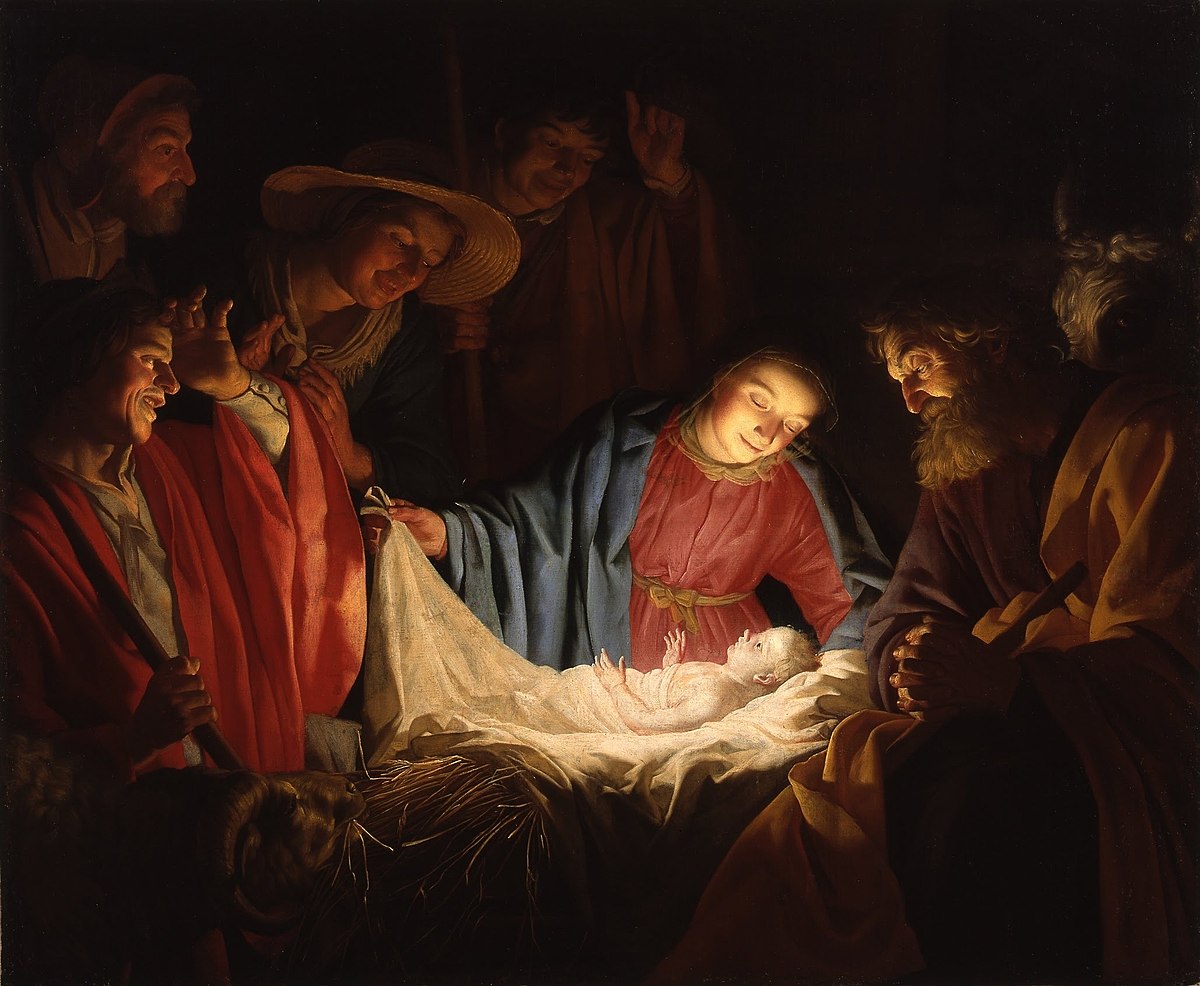


A tiny, defenseless, weak baby, born to a young mother and her loving husband.

Centuries later, we still celebrate this Birth. 

“Celebrate” is such a weak word… we rejoice. 

We give thanks. 

We praise God.

This evening, let us reflect on the gift God gave us, centuries ago. Dom Gueranger sets the scene: 


There are three places on this earth of ours which we should visit tonight. For two of them, it can only be in spirit.

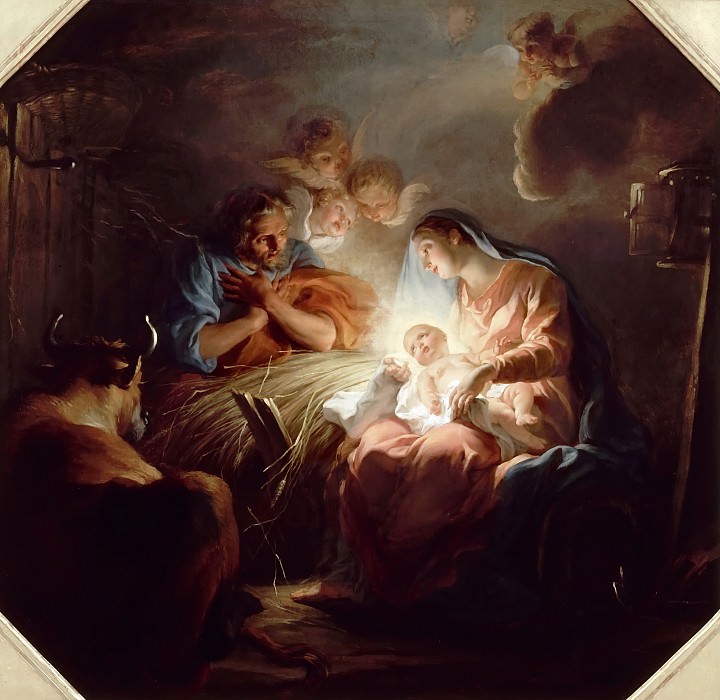
The first is Bethlehem, and the Cave of the Nativity, which is Bethlehem’s glory. Let us approach it with respectful awe, and contemplate the humble dwelling which the Son of the Eternal God chose for His first home. It is a Stable in the hollow of a rock, just outside the city walls. It is about forty feet long by twelve in width. The ox and the ass, as spoken by the Prophet, are there, standing near the Manger, mute witnesses of the Divine Mystery to which man refused to lend his own dwelling.[6]


O magnum mysterium, et admirabile sacramentum
ut animalia viderent Dominum natumjacentem in praesepio!

O great mystery, and wonderful sacrament,
that animals should see the new-born Lord, lying in a manger!


Mankind had been awaiting its Savior for centuries.

How is it that the only witnesses to His birth were animals?


O magnum mysterium.

O great mystery.


The Babe’s mother and father are, of course, present, witnessing the greatest gift given to mankind: a Savior.

Joseph and Mary enter into the Stable-Cave. It is night, and all nature is buried in silence; but these two Hearts are sending up their praise and adoration to God, Who thus deigns to atone for man’s pride.
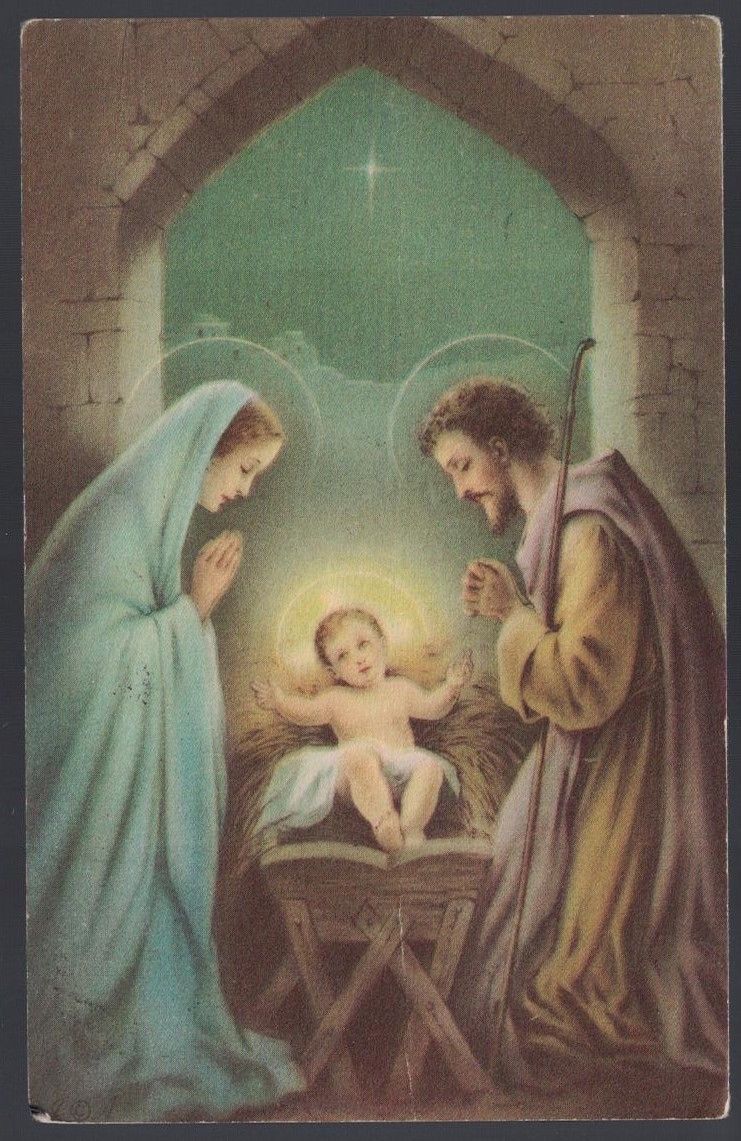


And soon, the Baby Himself…


Our Jesus, on his part, now that He is about to leave the sanctuary of his Mother’s womb, and make His visible entrance into this world of sin, adores His Heavenly Father, and, according to the revelation of the Psalmist, which is commented by St Paul in his Epistle to the Hebrews, thus speaks: 

Sacrifice and oblation thou willedst not; 
but a Body thou hast fitted unto me. 
Holocausts for sin did not please thee. 
Then said I, behold I come
In the head of the Book it is written of me that I should do thy will, O God!
[7]

All this was happening in the Stable at Bethlehem, about this very hour of the Night. The Angels of God were singing their anthems of praise to this, His incomprehensible mercy towards His rebel creatures. They looked down with admiration upon the Mother of their God, the Mystical Rose, whose hidden beauty was soon to bloom and fill the world with its fragrance.

O happy cave of Bethlehem! scene of these stupendous Mysteries! 

Who is there that can forget it tonight? 

Who is there that does not love it above the richest palaces of Kings? 
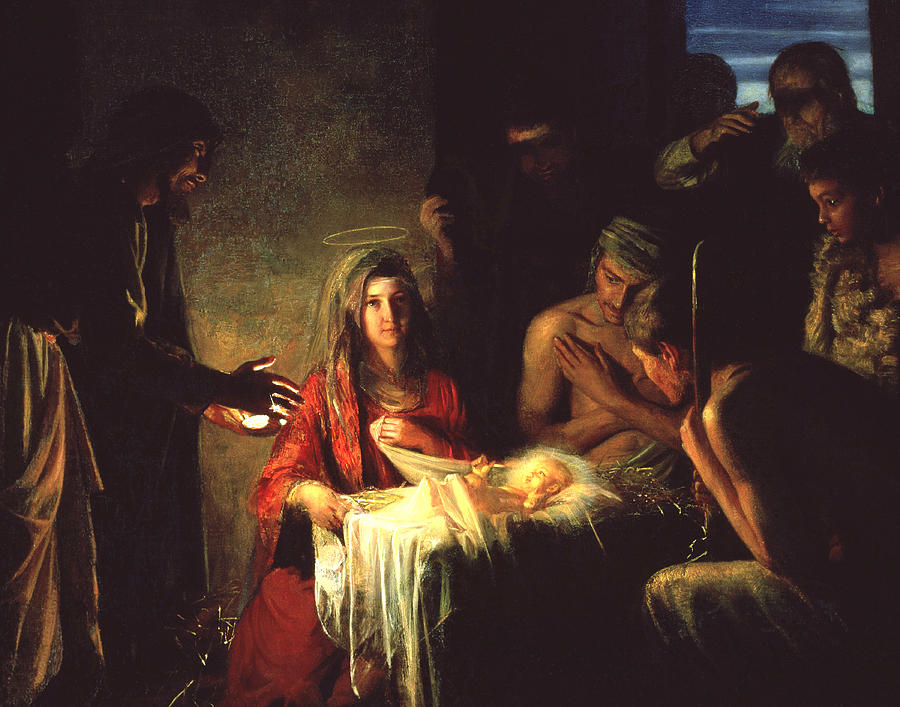


When we reflect on what God has given us tonight, there is no way that Christmas can be anything less than a time of celebration, joy, and gratitude. 


The Son of God has become small to make us great; 
He has been given to us so that we may give ourselves to Him. 
He has come to show us His love so that we can respond with ours. 
Let us receive Him with affection. 
Let us love Him and turn to Him with all our needs.[8]


The outpouring of love from that manger in Bethlehem fills us with the love of the Father, the Son, and the Holy Spirit. Because He is good, He graces us with the gifts to love Him back. Not with a commensurate love. No. That is never possible. 

His love is too great, and we are too small.

But in our little ways; ways that seem great for us. We do what we can to show Him how much we love Him. He is grateful, I am certain, and smiles on our efforts. For it is only by His will and grace that we can even desire to please Him.

Sacred music is one of these ways.

To some, He graces with the talent to create music that raises hearts and minds to Him, arousing a yearning for the transcendent beauty that He is. 

To others, He gives the ability to sing or play this music into reality.


This evening, as we commemorate the birth of our Savior in Bethlehem, the House of Bread, we will receive Him, “our Bread, the nourishment and support of our life."

“With God as our food, we cannot die.”[9]
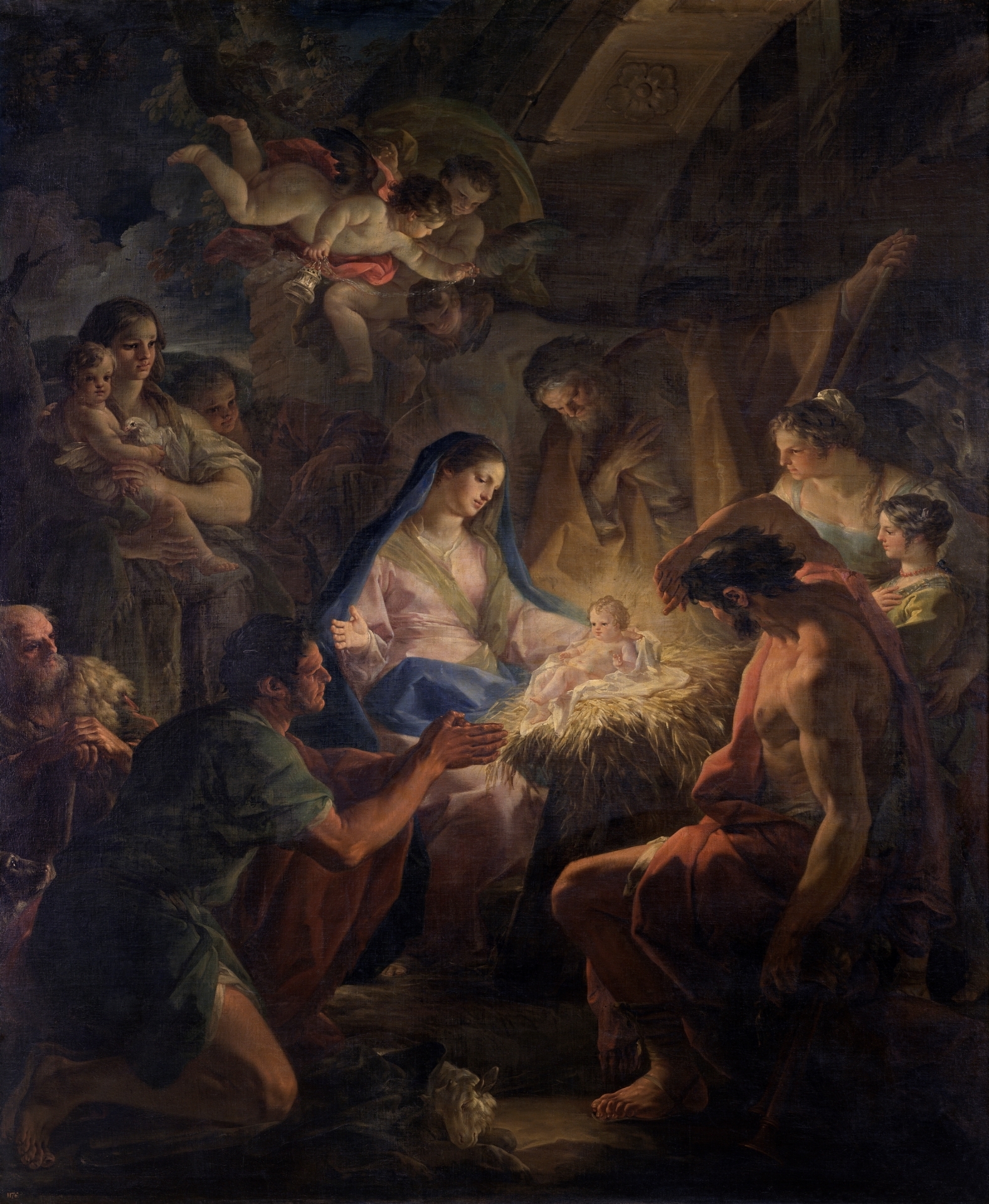


As the faithful receive Him on their tongues, little drummer boys and girls around the world will pa rum pum pum pum for their newborn King, bringing their finest gifts as they sing Morten Lauridsen’s masterpiece, O Magnum Mysterium


O magnum mysterium,
et admirabile sacramentum
,
ut animalia viderent Dominum natum
jacentem in praesepio!
Beata Virgo, cujus viscera
meruerunt portare
Dominum Christum.
Alleluia! 

O great mystery,
and wonderful sacrament,
that animals should see the new-born Lord, 
lying in a manger!
Blessed is the Virgin whose womb
was worthy to bear
Christ the Lord.
Alleluia![10]


This “quiet song of profound inner joy”[11] reflects on the mystery of Christ’s birth in a manger, surrounded by animals. But it is the two dissonant G sharps—sung by the altos on the word Virgo (at 3:07 and 3:29)—that remind listeners that this Birth—full of joy as it is—is the beginning of the Passion of the Babe in swaddling clothes. Both He and His mother—the Virgo herself—know that this Child is born to die for the sins of mankind, and this magnificent, glorious night, full of profound inner joy, is also suffused with sadness for the pain that this Baby will bear for our sakes.

Truly, as Bishop Fulton Sheen said, Calvary casts its shadow over Bethlehem.

As this sacred music is sung, let us, the faithful, visit the third of the sanctuaries mentioned by Dom Gueranger:[12]


This third Sanctuary is near us; 

it is in us; 

it is our own heart

Our heart is the Bethlehem that Jesus desires to visit, and in which He would be born, there to live and grow unto a perfect man, as St Paul expresses it.[13]

Why, after all, was He born in the stable of the city of David, but that He might make sure of our heart, which He loved with an everlasting love, and so ardently that He came down from heaven to dwell in it? 

Mary’s virginal womb held Him but for nine months; 

He wishes us to keep Him for ever in our dwelling!


This evening,

this Christmas,

from now until our lives end,

let us never forget the gift we received in that manger so long ago.


We were in His heart before time began.

We were in His heart as He waited in Mary’s womb.

We were in His heart in the manger.

We were in His heart when He died for us on the Cross.

We have been in His heart and will be for all of time.


It is our turn, now, to welcome Him into ours and never do anything to make Him leave.
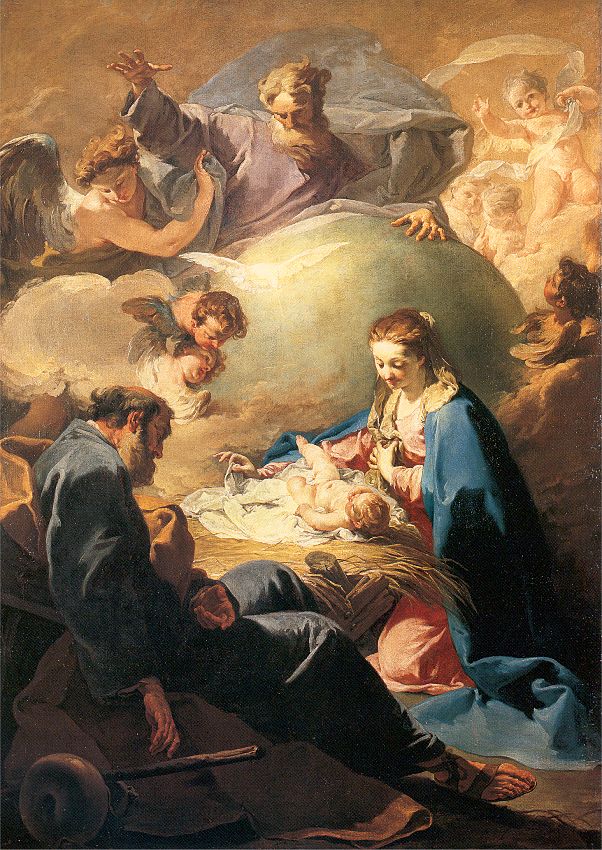


O heart of man, thou living Bethlehem, hold thyself in readiness, and keep a glad feast! Already, thou hast prepared thyself for this union with thy Jesus by the confession of thy misdeeds, by the contrition of thy sins, and by the satisfaction thou hast made for them. Now, therefore, be all attention: 

He is coming in the Midnight. 

Let Him find everything ready, ready as were the Stable, the Crib and the Swaddling-clothes. True, thou hast nothing to offer Him like what Mary and Joseph had — she, a Mother’s caresses; and he, the most solicitous and tender care; but thou hast an adoration and a love like those of the poor Shepherds, and these thou must offer. 

Like the Bethlehem yonder in the far east, thou art living in the midst of heresy, of infidelity, and of men who ignore the divine mystery of divine love: secret then, but hearty, must be thy prayers, like those which are ascending this night to heaven from the few faithful ones who are assembled in the Holy Cave with the Sons of St Francis; for in that unfortunate Palestine, which has been a slave to the most degrading errors for this last thousand years, there are still a few who know and love God. 

On this glad Midnight, let thy soul become like that splendid Basilica of Rome, which possesses the two treasures, the Holy Crib and the venerable Portrait of the Virgin Mother. Let thy affections and thoughts be pure as the white marble of its pillars; thy charity bright as the gold which glitters on its ceiling; thy deeds shining as the countless tapers which light up its beauty, and turn this night into the glare of a summer noon. 

Thou must learn, too, O soldier of Christ! to use a Christian’s weapons; thou must fight thy way to the Crib of thy Jesus; thou must fight for thy position there, and maintain it by the unbroken loyalty of thy love; thou must fight for the happy consummation of thy victory: 

Union eternal with Him. 

Treasure up these holy sentiments, and let them console and sanctify thee during these moments which precede the coming of Emmanuel into thee. 

O living Bethlehem! there is a word which heaven gave thee for these moments; take it up, and let it be thy ceaseless prayer; 

Come, Lord Jesus! Come![14]


[1] Liber Usualis, Responsory at Matins on Christmas Day

[2] St Andrew Novena

[3] Mich. v. 2; St Matth. ii. 6

[4] The Liturgical Year, Dom Prosper Gueranger, December 17

[5] Isaiah 9:5

[6] The Liturgical Year, Dom Prosper Gueranger, Christmas Day: The Hour Before the Midnight Service

[7] Heb. x 5, 6, 7

[8] St Alphonsus de Liguori, Meditations on Advent, Christmas, and Epiphany

[9] The Liturgical Year, Dom Prosper Gueranger, Christmas Day: The Hour Before the Midnight Service

[10] Liber Usualis, Responsory at Matins on Christmas Day

[11] Morten Lauridsen, in conversation with Bruce Duffie

[12] The second was St Peter’s at the Vatican, but that’s not relevant to this meditation

[13] Eph. iv 53

[14] Apoc. xxii 20, The Liturgical Year, Dom Prosper Gueranger, Christmas Day: The Hour Before the Midnight Service


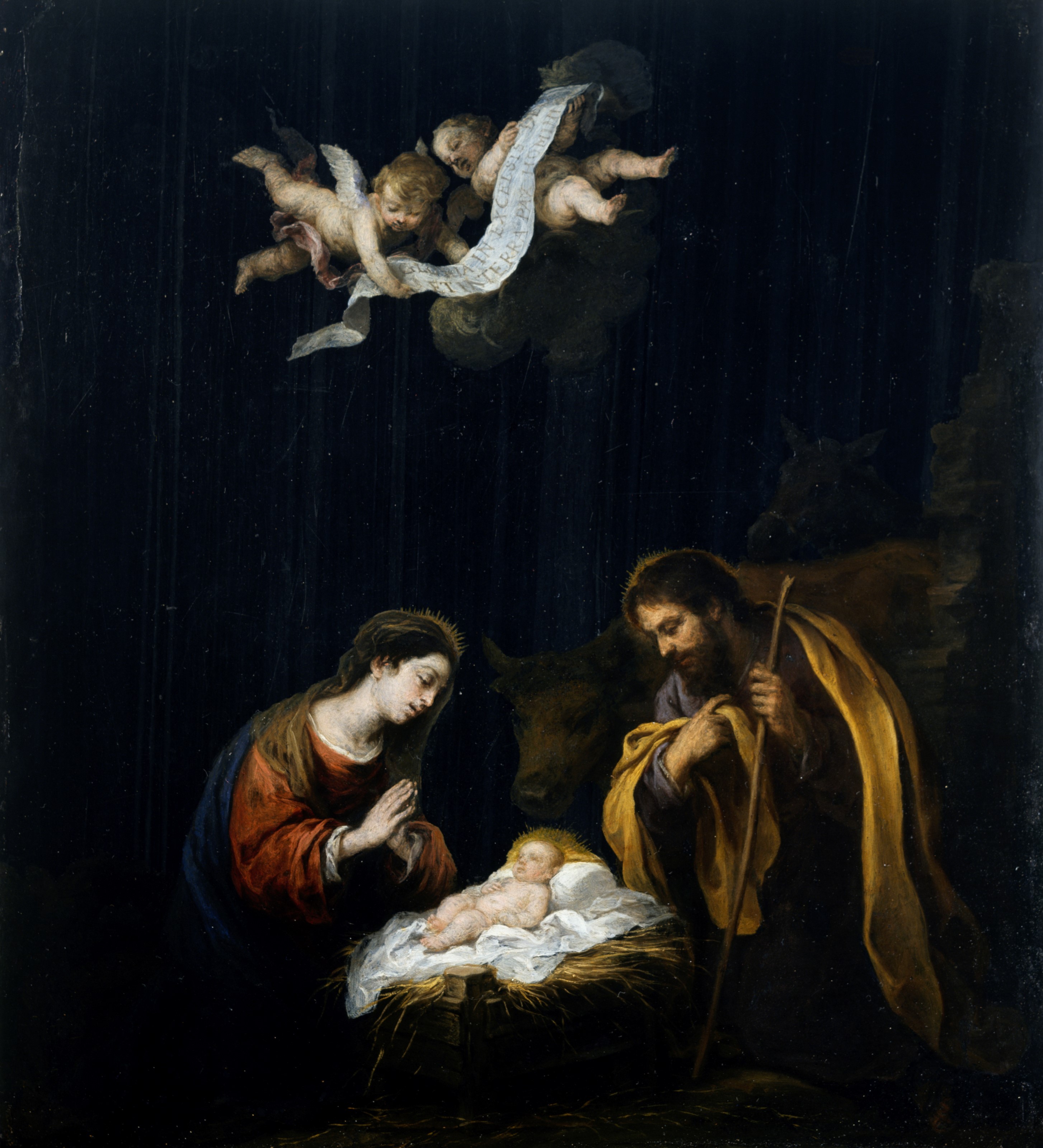
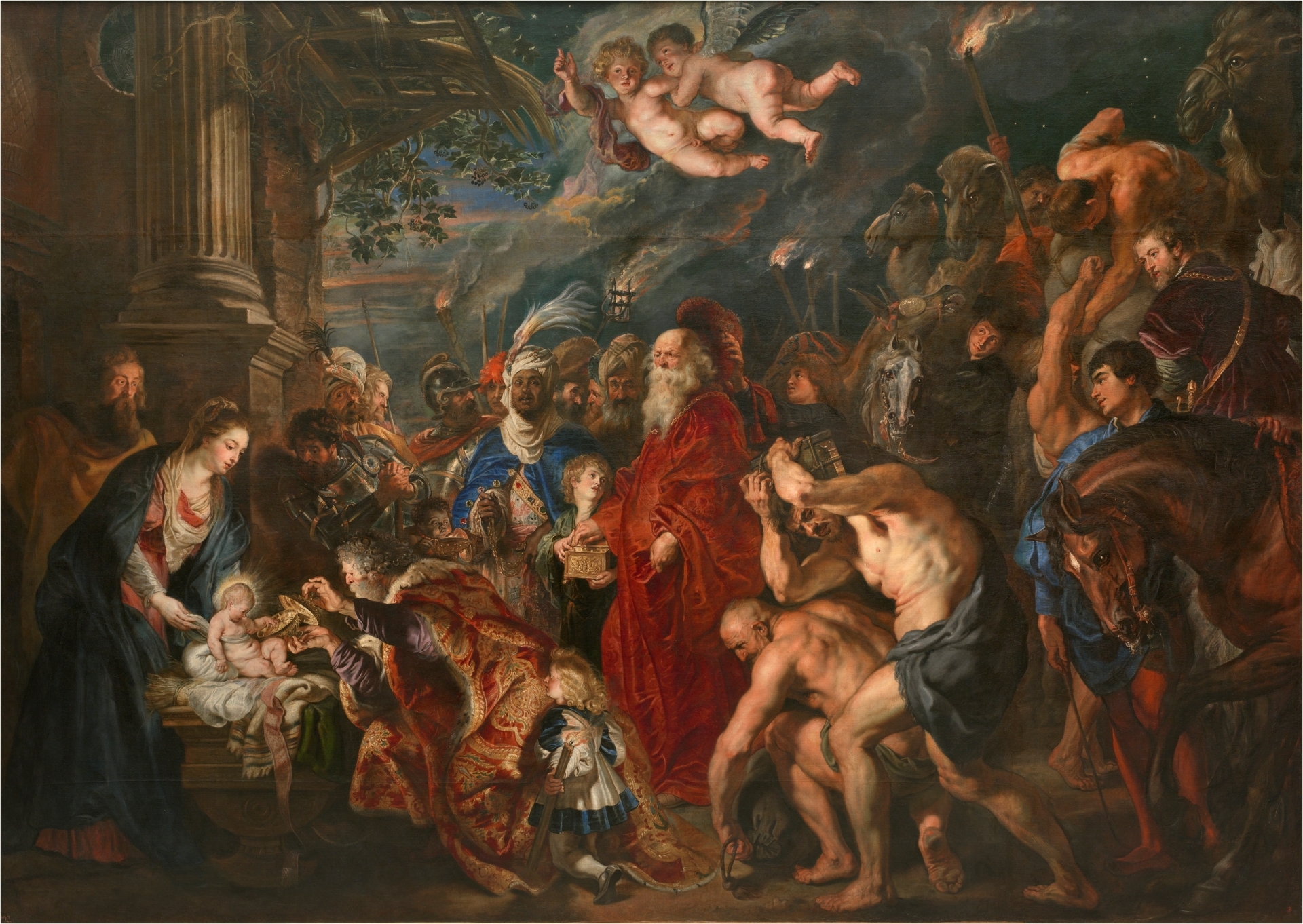
All Images in the public domain: The Nativity, Bartolomé Estebán Murillo; Adoration of the Shepherds, Gerard van Honthorst; Nativity, Noël Nicolas Coypel; Vintage holy card; The Birth of Jesus Christ, Carl Bloch; The Adoration of the Shpherds, Corrado Giaquinto; The Nativity with God the Father, Giambattista Pittoni; Adoration of the Magi, Peter Paul Reubens.

Community tags

This content has 0 tags that match your profile.

Spiritual Life

The Church

Virtues and Ethics

Apostoli Viae

Trinity

Comments

To view comments or leave a comment, login or sign up.

Related Content

28
Lumen Ad Revelationem Gentium - A Reflection on Candlemas
The LORD said to Moses: Tell the Israelites: When a woman has a child, giving birth to a boy, she shall be unclean for seven days... and then she shall spend thirty-three days more in a state of blood purity; she shall not touch anything sacred nor enter the sanctuary till the days of her purification are fulfilled. ... When the days of her purification for a son or for a daughter are fulfilled, she shall bring to the priest at the entrance of the tent of meeting a yearling lamb for a burnt offering and a pigeon or a turtledove for a purification offering.... If, however, she cannot afford a lamb, she may take two turtledoves or two pigeons, the one for a burnt offering and the other for a purification offering. The priest shall make atonement for her, and thus she will again be clean. -- Leviticus 12: 1-4, 6, 8 *** When the days were completed for their purification according to the law of Moses, they took him up to Jerusalem to present him to the Lord, just as it is written in the law of the Lord, “Every male that opens the womb shall be consecrated to the Lord,” and to offer the sacrifice of “a pair of turtledoves or two young pigeons,” in accordance with the dictate in the law of the Lord. -- Luke 2:22-24   Behold the Handmaid of the Lord   Tota pulchra es, Maria.  Et macula originalis non est in Te. You are all beautiful, Mary,  and the original stain [spot] (of sin) is not in you. --first lines of a 4th century prayer The Blessed Virgin Mary was born immaculate, her soul completely spotless. Sin had not touched her. So, as Dom Prosper Gueranger asks in his entry on today's feast, The Purification of the Blessed Virgin,  "Mary was a Daughter of Israel — she had given Birth to Jesus — He was her First-born Son. "Could such a Mother, and such a Son, be included in the Laws we have just quoted? "Was it becoming that Mary should observe them?" Good question. How can the purest creature in all of creation be further purified? Dom Gueranger goes on, "If she considered the spirit of these legal enactments, and why God required the ceremony of Purification, it was evident that she was not bound to them. They, for whom these Laws had been made, were espoused to men; — Mary was the chaste Spouse of the Holy Ghost, a Virgin in conceiving, and a Virgin in giving Birth to, her Son; her purity had ever been spotless as that of the Angels — but it received an incalculable increase by her carrying the God of all sanctity in her womb, and bringing him into this world. Moreover, when she reflected upon her Child being the Creator and sovereign Lord of all things — how could she suppose that he was to be submitted to the humiliation of being ransomed as a slave, whose life and person are not his own? "And yet, the Holy Spirit revealed to Mary, that she must comply with both these Laws. She, the holy Mother of God, must go to the Temple like other Hebrew mothers, as though she had lost a something which needed restoring by a legal sacrifice. He, that is the Son of God and Son of Man, must be treated in all thing’s as though, he were a Servant, and be ransomed in common with the poorest Jewish boy. Mary adores the will of God, and embraces it with her whole heart." This is what we celebrate today.  Obedience. Trust in the will of God over our own puny capacity to understand His plan. Surrender. "The same Divine plan — which had required that Mary should be espoused to Joseph, in order that her fruitful Virginity might not seem strange in the eyes of the people — now obliged her to come, like other Israelite mothers, to offer the sacrifice of Purification, for the Birth of the Son, whom she had conceived by the operation of the power of the Holy Ghost, but who was to be presented in the Temple as the Son of Mary, the Spouse of Joseph. Thus it is, that Infinite Wisdom delights in showing that his thoughts are not our thoughts, and in disconcerting our notions; he claims the submissiveness of our confidence, until the time come that he has fixed for withdrawing the veil, and showing himself to our astonished view. "The Divine Will was dear to Mary in this as in every circumstance of her life. The Holy Virgin knew, that by seeking this external rite of Purification, she was in no wise risking the honour of her Child, or failing in the respect due to her own Virginity. She was in the Temple of Jerusalem what she was in the house of Nazareth, when she received the Archangel’s visit — she was the Handmaid of the Lord. (Luke 1:38) She obeyed the Law, because she seemed to come under the Law. Her God and her Son submitted to the ransom as humbly as the poorest Hebrew would have to do; he had already obeyed the edict of the emperor Augustus, in the general census; he was to be obedient even unto death, even to the death of the Cross. The Mother and the Child, both humbled themselves in the Purification, and man’s pride received, on that day, one of the greatest lessons ever given it." --February 2 – The Purification of the Blessed Virgin, The Liturgical Year, Dom Prosper Gueranger It doesn't matter what it looked like to the rest of the world. Mary knew who she was and she knew what she was about. She was the handmaid of the Lord, and her will was His. A Light to the Revelation of the Gentiles What can be more awe-inspiring than God introducing His Son to the world?   Of course, it is fitting that after this sublime act, those present exhibit a suitable amount of awe. Enter Simeon. Now there was a man in Jerusalem whose name was Simeon. This man was righteous and devout, awaiting the consolation of Israel, and the holy Spirit was upon him. It had been revealed to him by the holy Spirit that he should not see death before he had seen the Messiah of the Lord. He came in the Spirit into the temple; and when the parents brought in the child Jesus to perform the custom of the law in regard to him, he took him into his arms and blessed God, saying: “Now, Master, you may let your servant go in peace, according to your word, for my eyes have seen your salvation, which you prepared in sight of all the peoples, a light for revelation to the Gentiles, and glory for your people Israel.” --Luke 2:25-32 The priest blesses candles with a special five-part blessing, particular to this feast. But why candles? Dom Prosper explains: According to St. Ivo of Chartres, the wax—which is formed from the juice of flowers by the bee (which has always been considered as the emblem of virginity)—signifies the virginal flesh of the Divine Infant, who diminished not, either by his conception or his birth, the spotless purity of his Blessed Mother. The same holy Bishop would have us see, in the flame of our Candle, a symbol of Jesus, who came to enlighten our darkness. St. Anselm, Archbishop of Canterbury, speaking on the same mystery, bids us consider three things in the blessed Candle: the Wax, the Wick, and the Flame. The Wax, he says, which is the production of the virginal bee, is the Flesh of our Lord; the Wick, which is within, is his Soul; the Flame, which burns on the top, is his Divinity. After the blessing, the candles are distributed to members of the faithful: These five Prayers having been said, the Celebrant sprinkles the Candles with holy water (saying the Asperges in secret), and then incenses them; after which, he distributes them to both clergy and Laity (in receiving the Candle, the Faithful should kiss first the Candle itself, and then the Priest’s hand). During the distribution, the Church—filled with emotion at the sight of these sacred symbols, which remind her of Jesus—shares in the joyous transports of the aged Simeon, who, while holding the Child in his arms, confessed him to be the Light of the Gentiles. She chants his sweet Canticle, separating each verse by an Antiphon, which is formed out of the last words of Simeon. These candles remind us that Jesus is THE light to the revelation of the Gentiles. The Canticle of Simeon is often sung during the distribution, like this version by Palestrina, and it hammers the message home. Ant. Lumen ad revelationem gentium, et gloriam plebis tuæ Israel. Ant. A Light to the revelation of the Gentiles, and the glory of thy people Israel. Canticle of Simeon (St. Luke, II) Nunc dimittis servum tuum, Domine: * secundum verbum tuum in pace. Now thou dost dismiss thy servant, O Lord, according to thy word in peace. Ant. Lumen ad revelationem gentium, et gloriam plebis tuæ Israel. Ant. A Light to the revelation of the Gentiles, and the glory of thy people Israel. Quia viderunt oculi mei: * Salutare tuum. Because my eyes have seen thy Salvation. Ant. Lumen ad revelationem gentium, et gloriam plebis tuæ Israel. Ant. A Light to the revelation of the Gentiles, and the glory of thy people Israel. Quod parasti: * ante faciem omnium populorum. Which thou hast prepared before the face of all peoples. Ant. Lumen ad revelationem gentium, et gloriam plebis tuæ Israel. Ant. A Light to the revelation of the Gentiles, and the glory of thy people Israel. Gloria Patri et Filio, * et Spiritui Sancto. Glory be to the Father, and to the Son, and to the Holy Ghost. Ant. Lumen ad revelationem gentium, et gloriam plebis tuæ Israel. Ant. A Light to the revelation of the Gentiles, and the glory of thy people Israel. Sicut erat in principio, et nunt et semper, * et in sæcula sæculorum. Amen. As it was in the beginning, is now, and ever shall be, world without end. Amen. Ant. Lumen ad revelationem gentium, et gloriam plebis tuæ Israel. Ant. A Light to the revelation of the Gentiles, and the glory of thy people Israel. Dom Prosper's note on this part of the Mass is particularly resonant during these times: Formerly, the Faithful looked upon it as an honour to be permited to bring their wax tapers to the Church, on this Feast of the Purification, that they might be blessed together with those, which were to be borne in the procession by the Priests and sacred Ministers; and the same custom is still observed in some congregations. It would be well if Pastors were to encourage this practice, retaining it where it exists, or establishing it where it is not known. There has been such a systematic effort made to destroy, or, at least, to impoverish the exterior rites and practices of religion, that we find, throughout the world, thousands of Christians who have been insensibly made strangers to those admirable sentiments of faith, which the Church alone, in her Liturgy, can give to the body of the Faithful. Thus, we shall be telling many what they have never heard before, when we inform them, that the Church blesses the Candles to-day, not only to be carried in the Procession, which forms part of the ceremony, but, also, for the use of the Faithful, inasmuch as they draw, upon such as use them with respect, whether on sea or on land, (as the Church says in the Prayer,) special blessings from heaven. These blest Candles ought, also, to be lit near the bed of the dying Christian, as a symbol of the immortality merited for us by Christ, and of the protection of our Blessed Lady. Christ was the greatest gift given to mankind, and His mother a close second. St Bernard of Clairvaux says of this magnificent occasion: “On this day, the Virgin Mother brings the Lord of the Temple into the Temple of the Lord; Joseph presents to the Lord a Son, who is not his own, but the Beloved Son of that Lord himself, and in whom he is well pleased; Simeon, the just man, confesses Him for whom he had been so long waiting; Anna, too, the widow, confesses him. The Procession of this solemnity was first made by these four, which, afterwards, was to be made, to the joy of the whole earth, in every place and by every nation. Let us not be surprised at its then being so little for He that carried was Little! Besides, all who were in it were just, and Saints, and perfect—there was not a single sinner.” It is feasts like the one we celebrate today that encourage us to strive for holiness, to be among this sacred entourage.  As the Antiphon for the procession with follows says, Adorn thy bridechamber, O Sion, and receive Christ, thy King. Salute Mary, the gate of heaven; for she beareth the King of glory, who is the new Light. The Virgin stands, bringing in her hands her Son, the Begotten before the day-star; whom Simeon receiving into his arms, declared him to the people as the Lord of life and death, and the Savior of the world. As Dom Prosper says, "The salvation of the world has this day gained ground; let the work of our individual sanctification also advance." Amen. Images: Photo courtesy of The Faithful Traveler, LLC (used with permission); Simeon and Jesus, by Andrey Shishkin (used with permission of the artist); Simeon's Song of Praise, Rembrandt van Rijn (public domain) All quotations taken from The Liturgical Year by Dom Prosper Gueranger, in the public domain
11
Tenebrae: Descending into Darkness
Tenebrae factae sunt—and it was dark (Mt. 27:45).  Before the revision of the celebration of Holy Week in 1955, the Church traditionally chanted Tenebrae during the three days leading up to Easter, known as the Sacred Triduum. This dramatic ceremony was sung during the hours in darkness—hence its name, as Tenebrae is translated from the Latin for “darkness” or “shadows”. Tenebrae consists of Matins and Lauds sung on Maundy Thursday, Good Friday, and Holy Saturday. While the old rubrics do not specify when Tenebrae should be sung, traditionally, it was sung so that it would end around Midnight, leaving the church and participants in total darkness. However, with the 1955 revision of holy week, Tenebrae disappeared, and later, after Vatican II, Matins became the Office of the Readings. Recently, however, many churches are bringing back the tradition in a variety of forms. Some sing the hours the evening before—so Wednesday night, they’ll sing the hours for Thursday morning. Other churches celebrate Tenebrae early in the morning, and some sing it in English, as opposed to the original Latin. While the liturgical rules for celebrating Tenebrae are complicated, and many of us are unable to witness Tenebrae being sung, we can still take the ideas behind it and use it to prepare ourselves for the holiest days of the Christian year. Some have described Tenebrae as a sad and mournful funeral service for Jesus. Those who have attended a funeral service of late will note that there are many consolations peppered throughout the service. The hope of Heaven. The hope of seeing our loved ones there some day. The hope of the Resurrection. This hope is absent from Tenebrae. The psalms, lessons, and chants (or polyphony) sung during the Tenebrae services are filled with grief and sadness. There is no joy or hope here; no blessings, Gloria Patris or Te Deums. Tenebrae is sorrowful, from beginning to end. The Lamentations of Jeremiah are sung—songs of lament composed after the destruction of Jerusalem and the beginning of the Babylonian captivity.  “The Lamentations have received a peculiar distinction in the Liturgy of the Church in the Office of Passion Week. If Christ Himself designated His death as the destruction of a temple, “he spoke of the temple of his body” (John 2:19-21), then the Church surely has a right to pour out her grief over His death in those Lamentations which were sung over the ruins of the temple destroyed by the sins of the nation.” –catholic encyclopedia The Matins part of Tenebrae is broken up into three nocturns—each with three Psalms, a versicle and response, the Our Father, and readings. During the Lauds section, there are five psalms, a versicle and response, the Benedictus, Our Father, and a reflection on the death of Christ.  Before the congregation, stands a triangular candelabra—called a Tenebrae hearse—with 15 candles, all lit. After the reading of each Psalm, a candle is extinguished, starting from the bottom and moving up, alternating sides. The candles are said to symbolize the Disciples, with the topmost candle representing Christ. As each candle is extinguished, we recall how Christ’s Disciples deserted Him during His Passion, one by one. Some say the remaining three candles represent the three Marys who stood by the Cross. After the final lesson, the final candle is removed and placed on the altar, symbolizing Jesus’ suffering and death on calvary. It is then hidden, representing His burial. At this point, the celebrants make loud noises—called the strepitus—by banging books on pews or stomping their feet. This noise signifies the earthquake, confusion, and terror that accompanied Christ’s Crucifixion. The noise stops and the candle reemerges, its light as fair as ever.  The office then comes to an abrupt end, and the participants leave the Church in silence. Dom Prosper Gueranger says,  “Let us now learn the meaning of these ceremonies. The glory of the Son of God was obscured and, so to say, eclipsed, by the ignominies He endured during His Passion. He, the Light of the world, powerful in word and work, Who but a few days ago was proclaimed King by the citizens of Jerusalem, is now robbed of all his honors. He is, says Isaias, the Man of sorrows, a leper (Isaias 53:3,4). He is, says the royal prophet, a worm of the earth, and no man (Psalm 21:7). He is, as He says of himself, an object of shame even to his own disciples, for they are all scandalized in him (Mark 14:27) and abandon Him; yea, even Peter protests that he never knew Him. This desertion on the part of His apostles and disciples is expressed by the candles being extinguished, one after the other, not only on the triangle, but on the altar itself. But Jesus, our Light, though despised and hidden, is not extinguished. This is signified by the candle which is momentarily placed on the altar; it symbolizes our Redeemer suffering and dying on Calvary. In order to express His burial, the candle is hidden behind the altar; its light disappears. A confused noise is heard in the house of God, where all is now darkness. This noise and gloom express the convulsions of nature when Jesus expired on the cross: the earth shook, the rocks were split, the dead came forth from their tombs. But the candle suddenly reappears; its light is as fair as ever. The noise is hushed, and homage is paid to the Conqueror of death.” Below are links to Tenebrae packets you can use to celebrate Tenebrae at home, as well as links to Tenebrae services that you can livestream, followed by psalms and music that will help you enter into this holiest of seasons. Have a blessed Triduum. Links to Watch Tenebrae this Sacred Triduum: St John Cantius Tenebrae 2022 Schedule Spy Wednesday, April 13th - 7:30 pm CDT - Sung Tenebrae - Link to live stream. Holy Thursday, April 14th - 8:30 am CDT - Simplified Tenebrae - Link to live stream. Good Friday, April 15th - 8:30 am CDT - Simplified Tenebrae - Link to live stream. Holy Saturday, April 16th - 8:30am CDT - Simplified Tenebrae - Link to live stream.   St Mary’s on Broadway, Rhode Island Tenebrae 2022 Schedule  Holy Thursday, April 14th - 7:30 am ET - Link to live stream Good Friday, April 15th - 7:30 am ET - Link to live stream Holy Saturday, April 16th - 7:30am ET - Link to live stream   Tenebrae Booklets Pre-1955 Resources (in Latin) A recommendation from Corpus Christi Watershed (in Latin) English Triduum at Home (in English) Tenebrae booklet from St. Patrick’s Cathedral, Parramatta (English) Tenebrae according to the use of the Cathedral Basilica of St Louis (English/Latin) Tenebrae Booklet from St John Cantius (English) English Tenebrae Booklet   A Virtual Tenebrae Using this booklet and the videos below, you can have a virtual Maundy Thursday Tenebrae Service in your home. Let the music transport you to the foot of the Cross:   First Nocturn Psalm 68 Psalm 69 Psalm 70 Lectio 1: Lamentations, Book 3, Lamentation 1: Incipit Lamentatio Jeremiae Prophetae, Palestrina Responsory 1: In Monte oliveti oravit ad patrem Pater si fieri potest, Carlo Gesualdo Lesson II, Vau, Et egressus est, Victoria Responsory 2: Tristis est anima mea, Carlo Gesualdo Responsory 3: Ecce Vidimus Eum Second Nocturn Psalm 71 Psalm 72 Psalm 73   Responsory 4: Amicus Meus Osculi, Victoria Responsory 5: Judas Mercator Pessimus, Victoria Responsory 6: Unus ex Discipulis Meis, Victoria Third Nocturn Psalm 74 Psalm 75 Psalm 76 Responsory 7: Eram quasi Agnus Innocens, Gesualdo Responsory 8: Una Hora non Potuistis Responsory 9: Seniores Populi Consilium, Gesualdo   At Lauds Psalm 50 Psalm 89 Psalm 35   Canticle of Moses, Psalm 39 Psalm 146 Benedictus Christus Factus Est Miserere Mei, Allegri     Image: pixabay